Life Advice · Updated October 2026 · Approximately 10-minute read
Being frugal shouldn’t mean giving up everything you enjoy. The best frugal habits are the ones that reduce waste, make daily decisions easier and leave room for the things you genuinely value. Think of a cheaper lunch that still tastes good, a bill you no longer pay for nothing, or a favorite jacket you repair instead of replacing.
Inspired by real-life discussions in r/Frugal about money-saving routines people actually maintain, these 20 ideas focus on what lasts, not extreme shortcuts. They are designed for US readers, but the core ideas apply more broadly.
What are frugal habits—and why do they improve everyday life?
Frugal habits are repeatable choices that help you use your time, money and possessions intentionally. Unlike being cheap at any cost, frugality asks whether something offers good value for you. A habit might save cash, reduce clutter, lower stress or keep you from making the same decision every day.
One important limit: not everyone has money left to cut. If essential expenses already consume your income, tiny savings tips cannot solve an income shortfall, debt crisis or unaffordable housing. Start with your safety and core needs, and use these habits only where they help.
We prioritized realistic effort, repeatability, practical value and common reader frustrations. Individual savings examples are illustrations—not guaranteed results or claims that every household can save the same amount.
20 frugal habits to save money without making life harder
Part 1: Everyday spending habits (1–5)
1. Do a ten-minute subscription audit
Open your bank or card transactions and list every subscription, app, membership and recurring delivery from the last two months. Mark what you genuinely use. Cancel or downgrade one service you would not choose again today, and save the cancellation confirmation. Avoid cutting anything essential just to hit an arbitrary target.
Small step: Put each renewal date and price on one calendar.
2. Give unplanned purchases a 24-hour pause
When something nonessential looks tempting, save it to a wish list instead of checking out immediately. Look again the next day and ask whether you still want it, where it will go and what you would give up to buy it. This isn’t a rule for time-sensitive necessities; it’s a way to reduce impulse purchases.
Small step: Keep a note called “Maybe later” on your phone.
3. Automate a small, affordable transfer to savings
If your cash flow allows, move a manageable amount to a separate savings account after each payday. Start with a figure that won’t risk overdraft or missed bills; even a few dollars can help make saving routine. Change or pause the transfer when expenses rise. The CFPB’s budgeting and savings tools can help you decide what’s realistic.
Small step: Set a transfer small enough that you can comfortably maintain it.
4. Pick a spending limit before you enter a store
A list is useful, but a spending ceiling adds another decision filter. Decide how much you can spend on nonessentials before you arrive at the shop or open an app. When an item would push you past the limit, pause and compare it with something already on your list.
Small step: Make a short list of the three things you actually came for.
5. Replace one expensive default with a cheaper one
Don’t overhaul your entire lifestyle at once. Pick a repeat purchase—an afternoon drink, a delivery fee, a paid workout or convenience snacks—and test one less expensive option that you still enjoy. A sustainable change is worth more than a dramatic restriction that lasts two days.
Small step: Choose one switch to repeat for two weeks.
Part 2: Household and lifestyle habits (6–10)
6. Review your phone and internet plans before renewal
Check how much data, speed and extra services you actually use. Compare your existing plan with current offers, including fees, equipment, promotional price expirations and any termination charges. Sometimes keeping an existing plan is cheaper; sometimes asking for a better rate saves money with little inconvenience.
Small step: Write down your monthly rate and next contract or promotion end date.
7. Make a five-minute energy walk-through
Turn off unnecessary lights, look for equipment left running, and review the settings of devices you can safely adjust. Use a power strip where appropriate and follow appliance instructions. Avoid unsafe electrical work or assuming every smart gadget will pay for itself. Focus on free, repeatable actions before buying devices marketed as money savers.
Small step: Identify one repeated source of unnecessary energy use.
8. Maintain things before they fail
Small maintenance tasks can prevent inconvenient and expensive repairs. Replace filters according to manufacturer instructions, clear safe and accessible dryer lint traps, and investigate small leaks rather than ignoring them. Leave electrical, gas and complex plumbing work to qualified professionals. Our home maintenance checklist can help you prioritize.
Small step: Put one overdue maintenance task on your calendar.
9. Use the library before buying another book or subscription
Public libraries often offer books and other media at no direct charge to eligible patrons; the exact services vary by library. Check its online catalog and digital lending options before paying for something you’ll use once. Waiting for a hold may be worthwhile if you don’t need it immediately.
Small step: Look up one title or resource you were about to purchase.
10. Design an inexpensive activity you actually look forward to
Frugality is easier when it doesn’t feel like punishment. Choose an enjoyable ritual such as a park walk, board-game night, homemade movie night or coffee with friends at home. An inexpensive activity should add something to your life, not just remove spending.
Small step: Put one low-cost activity on your calendar.
Part 3: Food habits that reduce convenience spending (11–15)
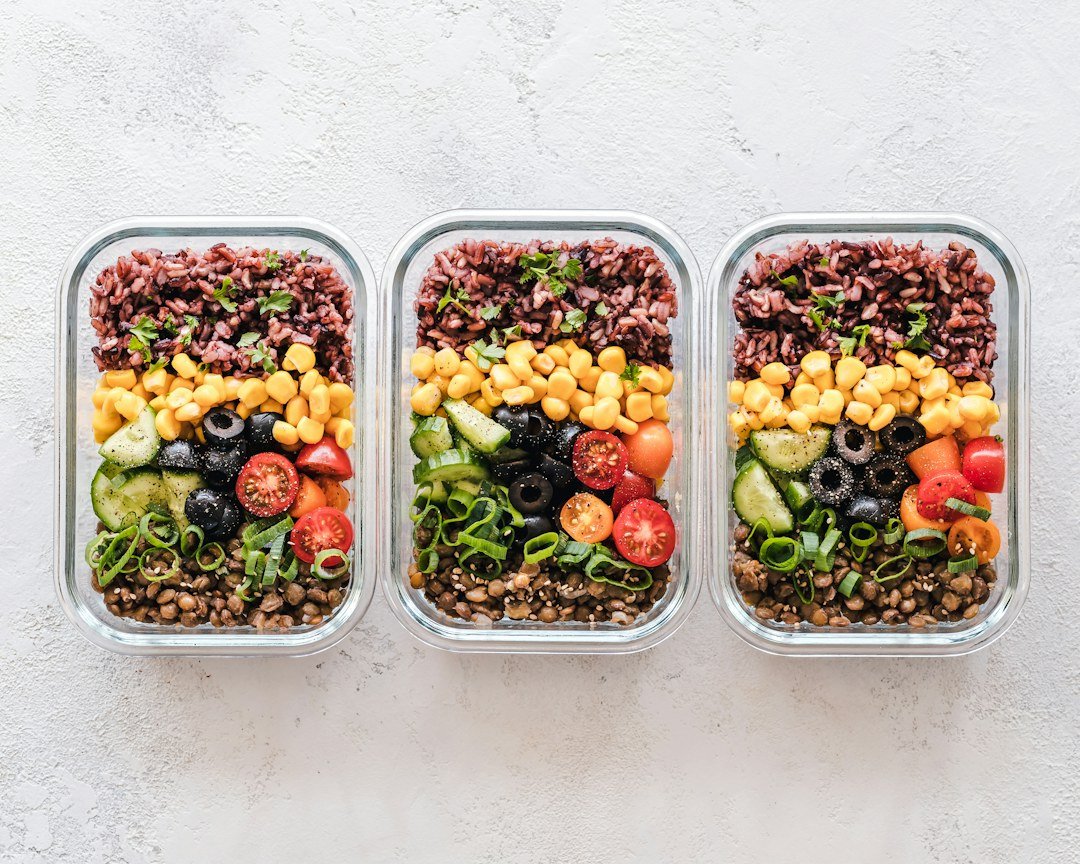
11. Pack lunch on just two workdays
Daily lunch purchases can become an expensive default. Start with two packed lunches per week, using leftovers, sandwiches or a simple prepared bowl. Compare the cost of what you bring with what you otherwise buy; the difference, not the full café price, is your potential saving.
Small step: Prep one easy lunch and an emergency backup.
12. Shop your pantry before buying groceries
Take two minutes to inspect your refrigerator, freezer and pantry. Build a meal around ingredients you already own before making a list. This can cut unnecessary duplicates and reduce food waste. For a complete method, see our guide to saving money on groceries without coupons.
Small step: Plan one meal from what is already in the kitchen.
13. Compare the unit price, not just the sticker price
For products you buy regularly, look at the cost per ounce, pound, count or other common unit. A larger package isn’t automatically the better deal if it will spoil, take up too much space or exceed your cash budget. Check whether the items being compared are genuinely equivalent.
Small step: Compare unit prices on one staple you purchase often.
14. Make leftovers easy to see and use
Use transparent, labeled containers and place foods you need to use soon where you’ll notice them. Freeze suitable portions if you won’t eat them in time. Follow food-safety guidance for cooling, storage and reheating; saving a few dollars isn’t worth taking a food-safety risk.
Small step: Label one container with its contents and date.
15. Keep a low-cost backup for busy days
Sometimes expensive decisions happen because you’re tired or pressed for time. Keep a simple pantry meal, reusable water bottle or basic travel kit ready for the moment you would otherwise buy a costly convenience option. The goal is less decision fatigue, not more preparation work.
Small step: Build one “busy-day fallback” from things you already have.
Part 4: Buy less, choose better and maintain what you own (16–20)
16. Evaluate purchases by cost per use
A $90 pair of shoes worn 180 times has an illustrative cost of $0.50 per wear; a $35 pair worn only five times costs $7 per wear. Those calculations ignore care and repair, but they help explain why the lowest sticker price is not always the best value.
Small step: Before buying, estimate how often you will genuinely use the item.
17. Borrow, rent or share rarely used equipment
If you need a tool or piece of equipment only once, look into borrowing from someone you trust, a local tool library or a reputable rental service. Compare deposits, travel time and liability with the cost of ownership. For frequently used items, buying may still make more sense.
Small step: Identify one seldom-used item you can avoid purchasing.
18. Buy secondhand when condition matters more than packaging
Pre-owned furniture, books and some clothing can be excellent value when quality and condition are easy to assess. Inspect carefully, compare the total price including delivery and use reputable payment methods. Avoid secondhand products with uncertain safety history when that history is essential, such as certain child-safety equipment.
Small step: Check secondhand options for one nonurgent purchase.
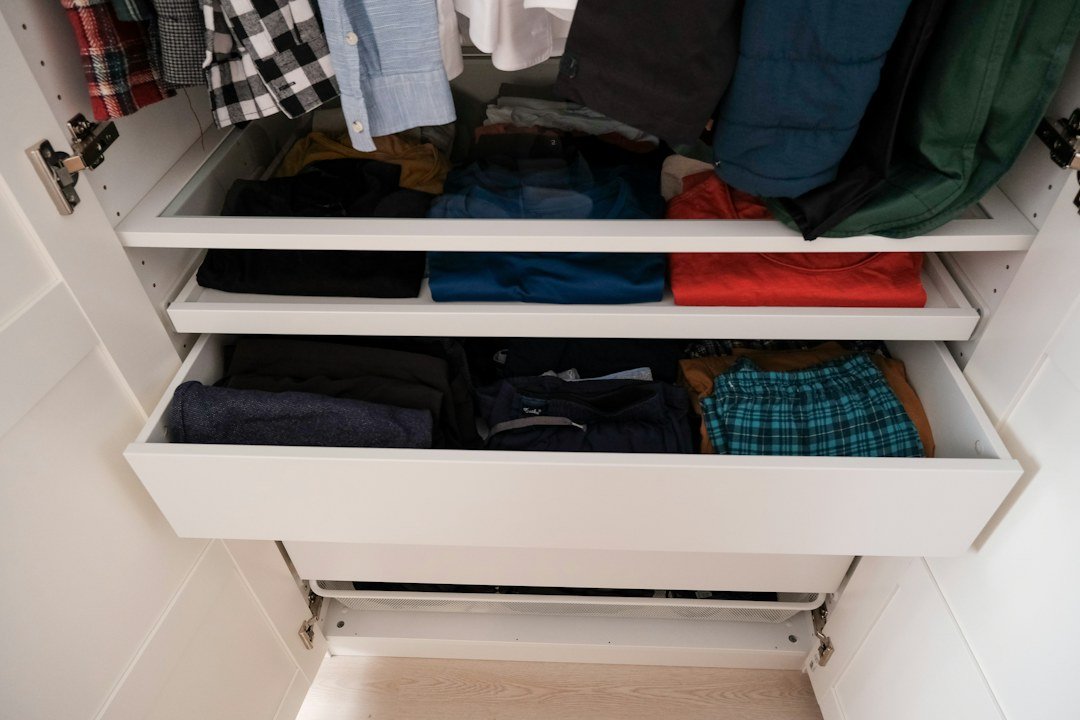
19. Repair or maintain clothes before replacing them
Resewing a button, mending a loose seam or following fabric care instructions can extend the life of an item you like. Start with simple, low-cost fixes, and weigh professional repair charges against replacement value for more complex work.
Small step: Put one fixable item in a visible “repair” spot.
20. Hold a ten-minute weekly money check-in
Once a week, review the last seven days of spending, upcoming bills and one purchase you felt good about. Note where a habit helped and where the plan felt unrealistic. The Consumer Financial Protection Bureau recommends spending trackers as one way to understand your patterns. Adjust your routines based on what you learn.
Small step: Pick a consistent ten-minute slot each week.
How much could small frugal habits save? An example
You don’t need to guess: write down your own actual prices and calculate the difference. The table below uses illustrative US dollar amounts, not measured savings or typical prices. Its purpose is to show how to evaluate an idea.
| Habit | Example calculation | Illustrative monthly difference |
|---|---|---|
| Cancel one unused subscription | $14 monthly charge removed | $14 |
| Pack two lunches a week | $7 less per lunch × 8 lunches | $56 |
| Replace one weekly drink | $4 net difference × 4 weeks | $16 |
| Skip an unneeded $25 purchase every two months | $25 ÷ 2 months | $12.50 |
Better test: Ask “What will this save, what will it cost me in time or replacement expenses, and will I still do it next month?” If a habit consistently adds stress for pennies, it may not be worth keeping.